Description
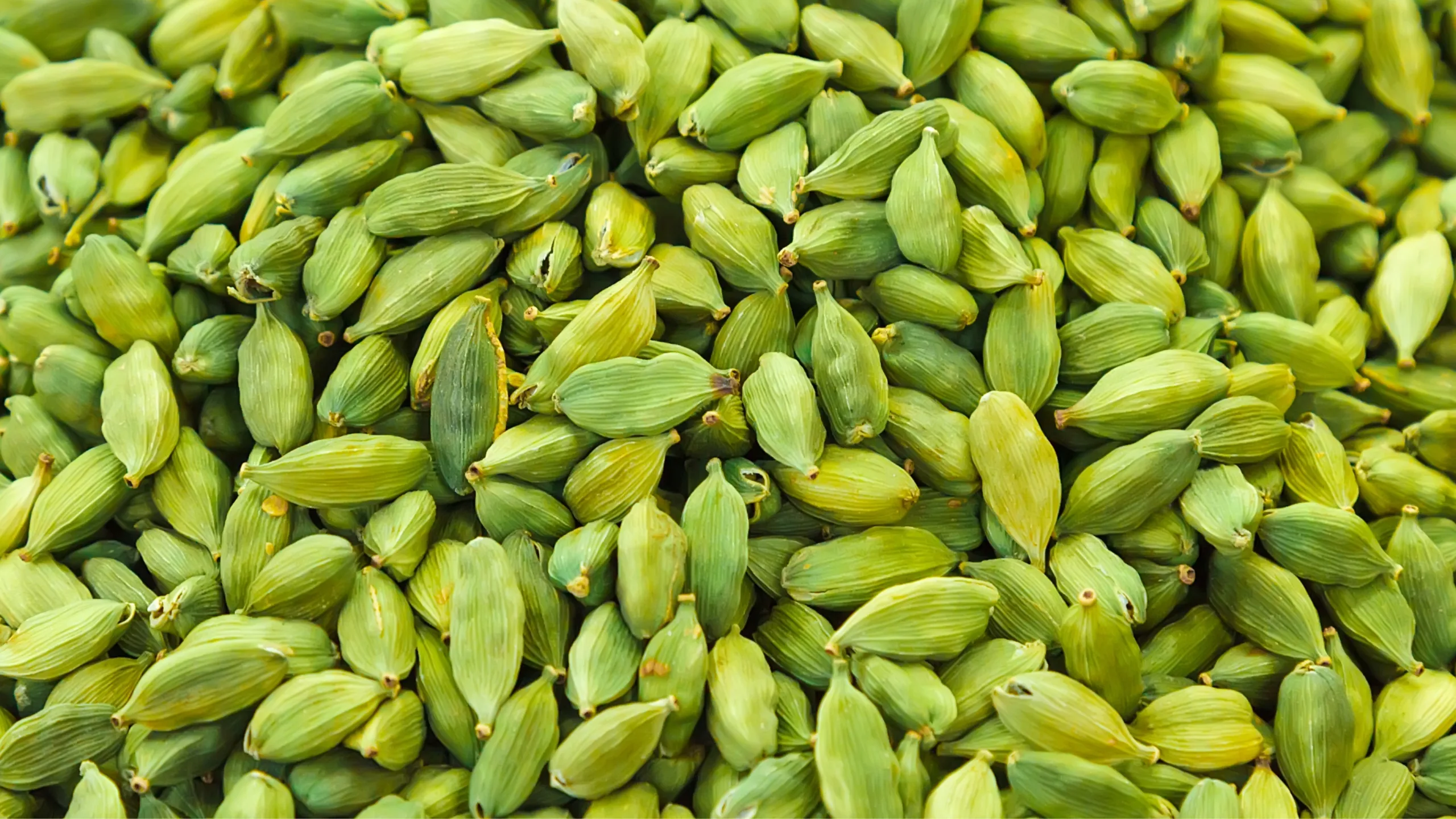
Elaichi, known globally as Cardamom (Elettaria cardamomum), is one of the world’s oldest, most celebrated, and, by weight, most expensive spices—earning it the regal title, the “Queen of Spices.” Native to the evergreen forests of the Western Ghats in Southern India, its use dates back thousands of years to ancient texts of Ayurveda and has since traveled the globe, becoming indispensable in cuisines from India and the Middle East to Scandinavia.
Varieties and Flavor Profile
There are two primary commercial types of cardamom, each with a distinctly different application:
-
Green Cardamom (Choti Elaichi): This is the true cardamom (Elettaria cardamomum). Its small, spindle-shaped pods contain tiny black seeds that release a highly complex, multi-dimensional aroma. The flavor is a beautiful symphony of citrus (lemon/orange), floral sweetness, and warm, resinous notes with a hint of cooling eucalyptus or mint. It is used extensively in Indian sweets, rice puddings (kheer), and the quintessential masala chai.
-
Black Cardamom (Badi Elaichi): (Amomum subulatum) This variety is characterized by larger, rough, dark brown pods that are traditionally dried over open flames. This process imparts a strong, smoky, and camphorous flavor. It is not suitable for sweet dishes but is crucial for adding deep, savory notes to robust Indian curries, biryani, and spice blends like garam masala.
Culinary and Global Uses
The versatility of Elaichi is unmatched. In India and the Middle East, it flavors everything from slow-cooked curries to refreshing beverages. Whole green pods are a fragrant addition to basmati rice, while the crushed seeds are integral to kulfi, pastries, and sweet bread. Interestingly, in Nordic countries (like Sweden and Finland), cardamom is a staple for baking, particularly in traditional sweet buns (kardemummabullar), demonstrating its global appeal beyond its native tropics.
Health and Ayurvedic Significance
Beyond its intoxicating aroma, Elaichi is prized in Ayurvedic and traditional medicine for its profound health benefits, largely attributed to its potent essential oils, such as $\alpha$-terpinyl acetate and 1,8-cineole.
-
Digestive Aid: It is famously chewed after meals to stimulate digestive enzymes, alleviate bloating and gas (carminative properties), and soothe stomach lining discomfort.
-
Oral Health: Chewing the seeds is a time-tested natural remedy for combating bad breath and maintaining oral hygiene due to its aromatic and mild antibacterial properties.
-
Antioxidant Power: Cardamom is rich in antioxidants that help combat cellular stress and inflammation, offering potential benefits for blood pressure regulation and overall metabolic health.
In essence, Elaichi is a spice that bridges flavor and wellness, making it a powerful and essential ingredient in kitchens and medicine cabinets worldwide. Its powerful fragrance ensures that even a small amount leaves a long-lasting, memorable impact.
Q1: What is the difference between Green and Black Cardamom?
A: Green Cardamom has a floral, sweet, and citrusy aroma, ideal for desserts, tea, and rice. Black Cardamom is smoky, camphorous, and savory, used exclusively in heavy curries and savory spice blends like garam masala.
Q2: How should I store Cardamom for maximum freshness?
A: Cardamom should be stored whole, in its pod, in an airtight container away from direct light and heat. Grinding or crushing the seeds should only be done right before use, as the aroma dissipates quickly once the pod is broken.
Q3: Why is Cardamom so expensive?
A: Cardamom is the third most expensive spice after saffron and vanilla. It is costly because it requires intensive, manual labor to harvest. Each pod must be picked by hand just before it is fully ripe.
Q4: Can I use ground Cardamom instead of whole pods?
A: Yes, you can. However, the flavor of ground cardamom is much less intense and aromatic than freshly ground seeds. Use about half the amount of ground spice compared to what the recipe asks for in whole seeds, and add it late in the cooking process to preserve its volatile oils.
Q5: What is Cardamom used for in the Middle East?
A: In the Middle East, particularly in countries like Saudi Arabia and Jordan, Cardamom is famously used to flavor Arabic coffee (Qahwa), giving it a distinct, warm, and inviting aroma. It is also used in savory meat rubs and rice dishes.

Reviews
There are no reviews yet.