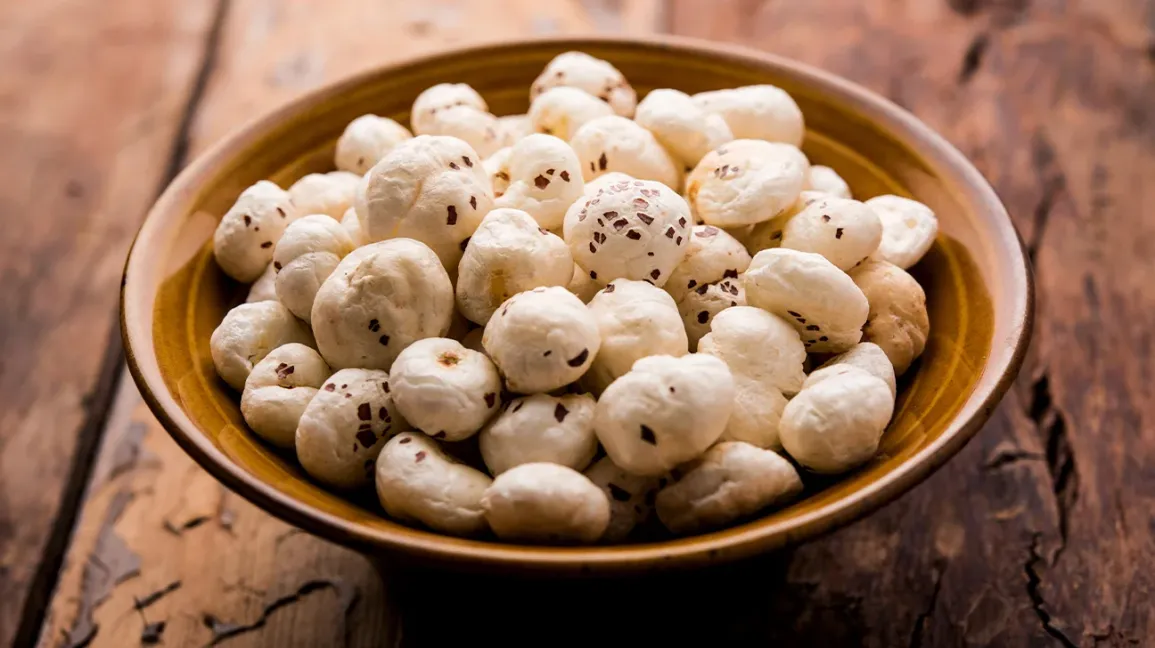
Often overlooked in the global health food conversation, Makhana (also known as Fox Nuts or Popped Lotus Seeds) is rapidly gaining recognition as one of the world’s most nutritious and versatile snacks. Historically rooted in traditional Indian and Chinese medicine and cuisine, this puffy, light seed is far more than just a fasting-day staple.
Makhana, scientifically named Euryale ferox, is a culinary jewel harvested from the wetlands of South-East Asia, with the Indian state of Bihar proudly leading the global production, accounting for over 85% of the world’s supply.
🔬 Nutritional Powerhouse: Why Makhana is a Superfood
Makhana stands out for its impressive nutritional profile, making it an excellent choice for health-conscious snacking. It is naturally:
-
Low in Calories and Fat: A light and airy snack, making it perfect for weight management.
-
Gluten-Free: An ideal alternative for those with gluten sensitivities or Celiac disease.
-
High in Fiber: Crucial for digestive health, promoting regular bowel movements, and increasing satiety.
-
Rich in Micronutrients: It is a superb source of key minerals.
| Nutrient (per 100g of Popped Makhana) | Key Benefits |
| Protein ($\approx 10$g) | Supports muscle repair and growth; aids in feeling full. |
| Magnesium | Essential for nerve and muscle function, and regulating blood pressure. |
| Potassium | Helps regulate blood pressure and counteracts the effects of high sodium. |
| Calcium | Vital for strong bones and teeth, and preventing conditions like arthritis. |
| Antioxidants (Flavonoids) | Combats free radicals, slowing down the aging process and reducing inflammation. |
💚 Health Benefits: More Than Just a Snack
The traditional and modern uses of Makhana align, proving its value in daily diet:
-
Supports Weight Management: The combination of high protein and high fiber helps you feel satiated for longer, curbing unhealthy hunger pangs and reducing overall calorie intake.
-
Excellent for Diabetics: With a low Glycemic Index (GI), Makhana causes a slow and steady release of glucose into the bloodstream, making it a safe and smart snacking choice for managing blood sugar levels.
-
Promotes Heart Health: Its low sodium, low saturated fat, and high potassium and magnesium content make it beneficial for regulating blood pressure and improving cardiovascular function.
-
Anti-Aging Properties: The presence of powerful antioxidants like flavonoids helps fight chronic inflammation and oxidative stress, contributing to youthful and healthy skin.
-
Aids in Digestion: The substantial fiber content assists in regulating the digestive tract, helping to alleviate issues like constipation and bloating.
🛶 The Traditional Journey: Cultivation and Processing
The process of transforming the hard, black aquatic seed into the fluffy, edible white puff is a testament to traditional, labor-intensive farming:
1. Cultivation (The Harvest)
Makhana is grown in stagnant water bodies like ponds or shallow fields. The seeds ripen inside the fruit pods, which sink to the bottom of the pond when mature. Harvesting is a highly skilled, manual task, where workers (often from the Mallah community in Bihar) dive or wade into the muddy water to collect the seeds from the pond bed using special tools.
2. Processing (The Pop)
The raw seeds collected from the pond are called Giri.
-
Drying: The Giri is sun-dried for several hours to reduce moisture.
-
Roasting: The dried seeds are graded by size and then roasted in an iron or clay pan over high heat while being continuously stirred.
-
Popping: This is the most critical step. Immediately after being roasted and while still hot, the seeds are thrashed (hit) with a wooden hammer on a hard surface. The pressure causes the hard outer shell to break, and the white, light kernel instantly pops out—a process akin to making popcorn, but much more precise and requiring immense skill.
This entire process ensures the Makhana retains its natural purity and nutritional integrity.
🍽️ Culinary Uses: Beyond the Bowl
While the most popular way to enjoy Makhana is roasted with a little ghee and spices (like salt, pepper, or chaat masala), its light, neutral flavor makes it incredibly versatile:
-
Savory Snacking: Roast with flavors like peri-peri, cheese, mint, or garlic powder.
-
Curries (Sabzi): Used in traditional North Indian dishes like Makhana Matar, where it absorbs the curry flavor beautifully.
-
Desserts (Kheer): Ground or whole makhana is used to make a creamy, wholesome Indian pudding called Makhana Kheer.
-
Nutrient-Dense Meals: Grind it into a fine flour to thicken soups, use in baked goods, or mix into baby food.
Makhana is truly a traditional wonder that aligns perfectly with modern health goals. It’s a clean-label, natural, and highly nutritious snack that offers a guilt-free crunch for every moment of the day.