Description
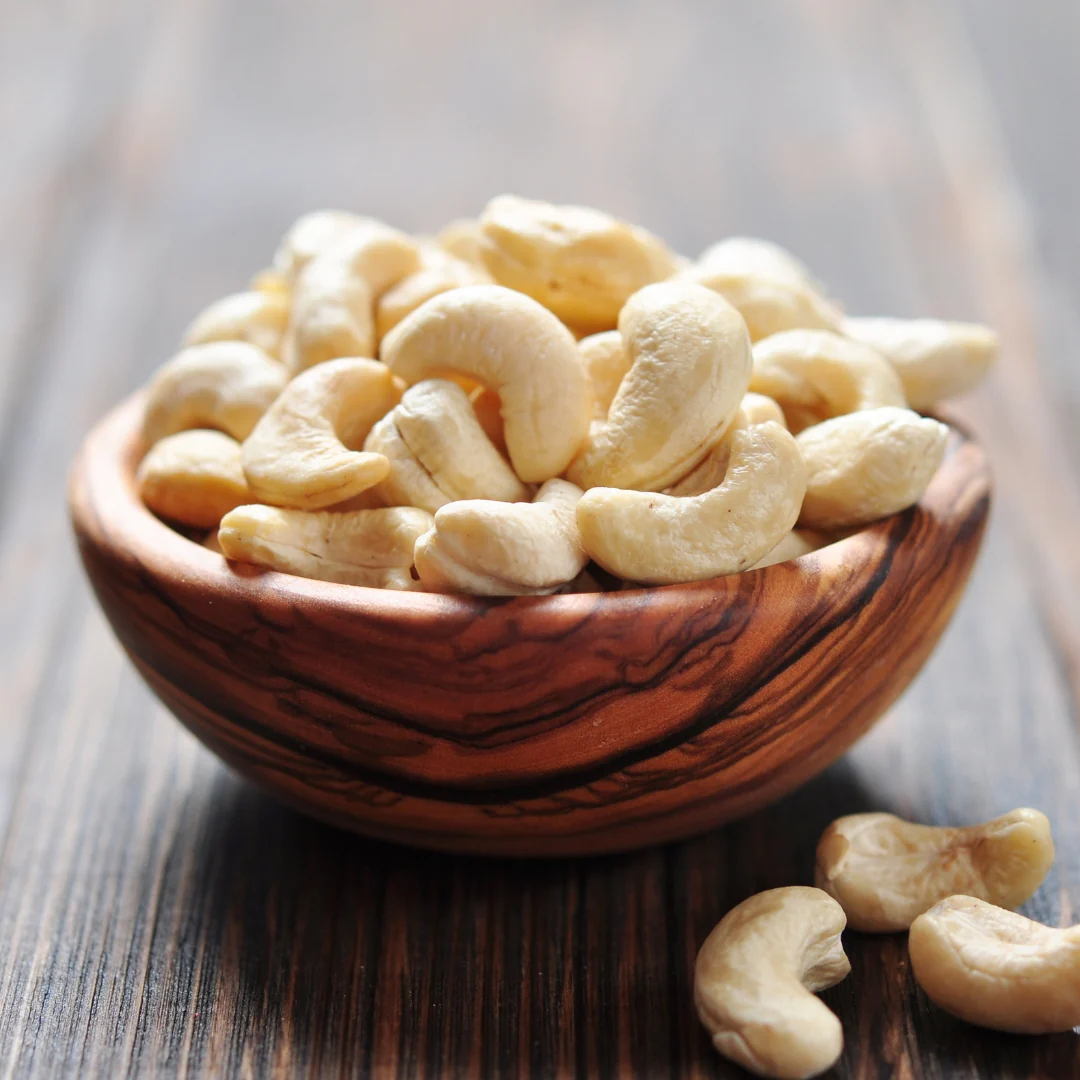
Indulge in the buttery goodness of the cashew, a versatile “super-seed” that has become a staple in kitchens worldwide. Whether you call it a cashew nut or the beloved kaju, this kidney-shaped delight is packed with nutrition and flavor.
In this guide, we dive deep into the world of cashews, exploring their health benefits, culinary uses, and the current cashew price trends for 2025.
🌟 The Power of the Cashew: Health & Nutrition
The cashew nut is more than just a tasty snack; it’s a nutritional powerhouse. Unlike many other nuts, cashews have a creamy texture and a slightly sweet profile that makes them a favorite for both savory curries and decadent desserts.
Why You Should Add Kaju to Your Diet:
-
Heart Health: Rich in monounsaturated and polyunsaturated fats, cashew consumption helps lower LDL (bad) cholesterol and supports overall cardiovascular health.
-
Brain Boost: High in magnesium and Vitamin E, they help maintain cognitive function and may reduce the risk of age-related memory loss.
-
Bone Strength: Cashews are an excellent source of copper and magnesium, which are essential for bone density and preventing osteoporosis.
-
Weight Management: Despite being energy-dense, the protein and fiber in kaju keep you satiated, helping to curb unnecessary cravings.
💰 Cashew Price Guide 2025: Today’s Market Rates
The kaju price can vary significantly based on the “grade” or size of the nut. The grading system (like W180 or W320) refers to the number of kernels per pound—the lower the number, the larger and more expensive the nut.
Estimated Cashew Nut Price (per 1 kg)
| Grade Type | Size/Quality | Approx. Price (1 kg) |
| W180 (King Size) | Super Jumbo / Premium | ₹1,200 – ₹1,600 |
| W240 (Standard) | Large / High Quality | ₹950 – ₹1,150 |
| W320 (Common) | Medium / Regular Use | ₹800 – ₹950 |
| Split Kaju (2 Pieces) | Best for Gravies/Sweets | ₹650 – ₹800 |
| Broken Kaju (4+ Pieces) | Industrial/Bakery Use | ₹500 – ₹650 |
Pro Tip: To get the best cashew price, consider buying in bulk during the peak harvest season (February to May) when supply is at its highest.
❓ FAQs About Cashews (Kaju)
Is a cashew a nut or a seed?
Botanically, it is a seed that grows on the bottom of the “cashew apple.”
Why is the cashew price higher than other nuts?
Harvesting is labor-intensive. Each nut must be carefully removed from a toxic shell and processed by hand to ensure it is safe to eat.
Can I eat raw cashews? “Raw” cashews in stores are actually steamed to remove a toxic resin called urushiol. Truly raw cashews are unsafe to touch or eat.
How many cashews should I eat daily?
A healthy serving is about 15–18 nuts (approx. 30g) per day.
What is the best way to store kaju?
Keep them in an airtight container in a cool, dry place. For longer shelf life, store them in the refrigerator for up to 6 months.
Does kaju cause weight gain?
Only if eaten in excess. In moderation, their fiber and protein actually aid in weight management.
What does W320 mean in cashew grading?
It means there are roughly 320 whole kernels per pound. This is the most popular grade globally.
Are cashews good for diabetics?
Yes, they have a low glycemic index and contain healthy fats that improve insulin sensitivity.
Can I use cashews to make milk?
Absolutely. Soaked cashews blend into a very creamy, dairy-free milk alternative that requires no straining.
Why are some cashews yellow?
Slightly yellowish cashews are often “scorched” during the roasting process. They are safe to eat but are usually priced lower than white kernels.
Reviews
There are no reviews yet.