Description
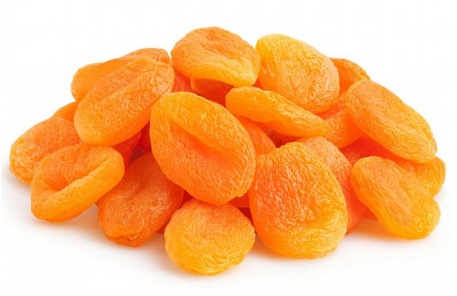
Known as the “Golden Fruit” of the Himalayas, dried apricots (locally called Khumani or Jardalu) are a sun-drenched powerhouse of nutrition. Often found nestled alongside pista and almonds in luxury dry fruit boxes, these chewy, tangy-sweet fruits are far more than just a snack—they are a concentrated source of Vitamin A, iron, and fiber.
In this guide, we’ll explore the health secrets of khumani, compare the popular varieties, and look at the current anjeer price and apricot price trends for late 2025.
🍊 Why Dried Apricots (Khumani) are a Health Treasure
The drying process concentrates the nutrients in apricots, making them an incredibly efficient way to fuel your body.
1. Vision and Eye Protection
Dried apricots are exceptionally rich in Vitamin A (Beta-carotene) and Lutein. These nutrients are essential for maintaining sharp night vision and protecting your eyes from age-related macular degeneration.
2. Natural Solution for Anemia
For those struggling with low hemoglobin, khumani is a savior. It contains a high concentration of non-heme iron and Vitamin C, which helps the body absorb that iron more effectively.
3. Glow from Within
The antioxidants and Vitamin E in apricots help your skin fight oxidative stress from pollution and UV rays. Regular consumption is known to boost collagen production, leading to firmer, younger-looking skin.
4. Digestive Regularity
Much like anjeer, dried apricots are a fantastic source of dietary fiber. They help regulate bowel movements and act as a natural, gentle laxative to keep your gut healthy.
💰 Dried Apricot Price Guide: 1 kg Rates (December 2025)
The apricot price varies based on whether the fruit is “Sulphured” (bright orange) or “Organic/Sun-dried” (brown/darker), and whether it contains the seed.
Today’s Khumani Rate 1 kg (Estimated Market Rates)
| Variety | Type / Origin | Price per 1 kg (Approx.) |
| Turkish Apricots | Seedless (Premium Orange) | ₹850 – ₹1,300 |
| Kashmiri Khumani | Organic (Sun-dried with seed) | ₹450 – ₹800 |
| Ladakhi Apricots | Wild / Sun-dried (Grown in Ladakh) | ₹900 – ₹1,500 |
| Afghani Jardalu | Standard (Yellow/Orange) | ₹350 – ₹600 |
| Jumbo Dried Apricots | Extra Large / Pitted | ₹1,200 – ₹1,700 |
Selection Tip: If you want the most natural version, choose the brown dried apricots. They haven’t been treated with sulfur dioxide to preserve the color, making them 100% organic and healthier for those with sensitivities.
❓ FAQs About Dried Apricots (Khumani)
Why are some dried apricots orange and others brown?
Orange ones are treated with sulfur dioxide to preserve color. Brown ones are naturally sun-dried without preservatives, offering a richer, more caramel-like flavor.
Can I eat the seed inside the apricot?
Some varieties (like those from Ladakh) have a sweet kernel inside the seed that tastes like a small almond. However, always check first, as some kernels can be bitter.
How many dried apricots should I eat in a day?
3 to 4 pieces (approx. 30g) is the ideal daily serving for balanced nutrition.
Is it better to soak anjeer and apricots together?
Yes! Soaking both overnight makes them easier to digest and creates a powerful morning tonic for digestion.
Are dried apricots good for weight loss?
Yes. Their high fiber content promotes satiety, but because they are calorie-dense, you should stick to the recommended portion.
Can diabetics eat khumani?
Yes, in small amounts. They have a low-to-moderate Glycemic Index (GI), but it’s best to consult a doctor regarding your specific sugar management.
Do apricots help with blood pressure?
Yes. They are high in Potassium, which helps balance sodium levels and relaxes blood vessel walls.
What is the best way to store them?
Keep them in an airtight container in a cool, dark place. For long-term freshness (up to a year), store them in the refrigerator.
Are they safe during pregnancy?
Absolutely. The iron and folic acid in apricots are highly beneficial for both the mother and the baby’s development.
Why is the Ladakhi apricot price so high?
These are often wild-grown, hand-picked, and naturally dried in the pure mountain air, making them a rare, organic premium product.
Reviews
There are no reviews yet.